 EN
EN

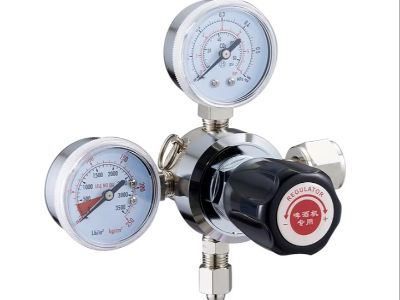
Stainless steel regulators are an excellent choice for environments where corrosion is a constant concern. They are widely used across industries that handle chemicals, gases, and other aggressive substances because they help control the flow of gases and liquids safely and accurately. Dici manufactures high-quality stainless steel pressure regulator designed to perform reliably in harsh operating conditions. Let’s explore why these regulators are the preferred choice for corrosive applications.
Why Stainless Steel Regulators Are the Best Choice for Corrosive Environments?
Stainless steel regulators are ideal for corrosive environments because they offer exceptional resistance to rust and chemical damage. Corrosive substances can quickly weaken ordinary metals, leading to leaks, equipment failure, and costly repairs. Stainless steel, however, maintains its strength and performance even when exposed to harsh chemicals such as acids, solvents, and salt solutions.
For example, using a standard metal regulator in a chemical processing plant may result in corrosion after prolonged exposure to aggressive chemicals. A stainless steel regulator, on the other hand, can continue operating reliably without deteriorating. This improves workplace safety while reducing maintenance costs and downtime.
Another important advantage is temperature resistance. Stainless steel regulators perform well in both extremely hot and extremely cold environments, making them suitable for applications involving high-pressure steam, cryogenic gases, or fluctuating temperatures. Dici’s stainless steel air pressure regulator are engineered to deliver dependable performance under demanding conditions.
Stainless steel is also easy to clean because of its smooth, non-porous surface. This makes it ideal for industries where cleanliness is essential, such as chemical processing, pharmaceuticals, and food production. In addition, stainless steel is highly durable and resists cracking or becoming brittle over time. Investing in stainless steel regulators means fewer replacements, lower maintenance costs, and longer service life.
What Makes Stainless Steel Regulators Essential for Chemical Processing?
Safety is one of the most important priorities in chemical processing. Stainless steel regulators play a vital role by ensuring gases and liquids are controlled accurately, helping reduce the risk of leaks and dangerous spills. Dici’s stainless steel gas pressure regulator are designed to withstand high pressures while maintaining consistent performance, making them ideal for handling hazardous chemicals.
Their smooth surface also minimizes the buildup of contaminants, making cleaning easier and reducing the risk of product contamination. This is particularly important in facilities where cleanliness directly affects product quality and worker safety.
Another advantage is sustainability. Stainless steel is fully recyclable, making it an environmentally responsible material choice. Companies looking to reduce waste and improve sustainability can benefit from using stainless steel equipment throughout their operations.
Precise flow control is another key feature. Many chemical processes require accurate pressure regulation, where even small pressure changes can affect production quality. Dici’s regulators provide stable and precise pressure control, helping operators maintain consistent and efficient processes.
Overall, stainless steel regulators deliver the durability, safety, and precision required in modern chemical processing facilities.
How to Choose the Right Stainless Steel Regulator for Harsh Conditions?
Selecting the right stainless steel regulator begins with understanding the environment where it will operate. In coastal or marine environments, for example, regulators made from 316 stainless steel provide superior resistance to saltwater corrosion compared to standard stainless steel grades.
You should also consider the operating pressure. Every application requires a specific pressure range, so choose a regulator designed to handle your system's maximum and minimum operating pressures safely. Dici offers regulators with a wide range of pressure capacities to suit different industrial applications.
Flow capacity is another important factor. Ensure the regulator can deliver the required flow rate without causing pressure drops that could affect system performance. Dici manufactures regulators with various flow capacities to match different operational requirements.
It is equally important to verify that the regulator's connection type and size are compatible with your existing piping system. Proper compatibility helps prevent leaks and simplifies installation.
Finally, always select a regulator with built-in safety features, such as pressure relief protection and reliable sealing mechanisms. Choosing the correct regulator ensures long-term performance, improved safety, and reduced maintenance costs.
What Are the Advantages of Using Stainless Steel Regulators in Marine Applications?
Marine environments present unique challenges because equipment is constantly exposed to moisture, salt, and changing weather conditions. Stainless steel regulators are particularly well suited for these applications because they resist corrosion far better than ordinary metals.
Dici’s stainless steel regulators maintain reliable performance even after prolonged exposure to seawater and humid conditions. Their corrosion resistance significantly extends equipment lifespan while reducing maintenance requirements.
These regulators are also designed to withstand high operating pressures commonly found in marine systems, making them dependable for vessels, offshore platforms, and dockside equipment.
Another advantage is product purity. Stainless steel does not react with most gases or liquids, helping maintain clean flow throughout the system without contamination. This is especially important in marine fuel systems, compressed air systems, and onboard industrial equipment.
Although stainless steel regulators may have a higher initial purchase price, their durability and reduced maintenance requirements often make them more cost-effective over their service life. For marine environments, Dici stainless steel regulators provide an excellent balance of reliability, safety, and long-term value.
How Stainless Steel Regulators Improve Efficiency in High-Corrosion Applications?
Stainless steel regulators improve operational efficiency by maintaining reliable performance in environments where corrosion would quickly damage conventional equipment. Because they resist rust and chemical attack, they are less likely to develop leaks or require unexpected repairs.
Consistent pressure regulation is another important advantage. Stable pressure allows industrial systems to operate more efficiently, reducing production interruptions and improving overall process quality. Dici stainless steel regulators are engineered to deliver precise pressure control even in demanding applications.
Their corrosion resistance also reduces maintenance requirements. Since the regulators require fewer repairs and replacements, businesses can minimize downtime and lower operating costs. Maintenance teams can spend less time replacing damaged equipment and more time focusing on productive operations.
Finally, reliable regulators contribute to greater energy efficiency. Stable pressure control reduces energy waste while improving the performance of connected equipment. For industries operating in harsh chemical or corrosive environments, Dici stainless steel regulators provide dependable performance, improved efficiency, enhanced safety, and excellent long-term value.
Table of Contents
- Why Stainless Steel Regulators Are the Best Choice for Corrosive Environments?
- What Makes Stainless Steel Regulators Essential for Chemical Processing?
- How to Choose the Right Stainless Steel Regulator for Harsh Conditions?
- What Are the Advantages of Using Stainless Steel Regulators in Marine Applications?
- How Stainless Steel Regulators Improve Efficiency in High-Corrosion Applications?