 EN
EN

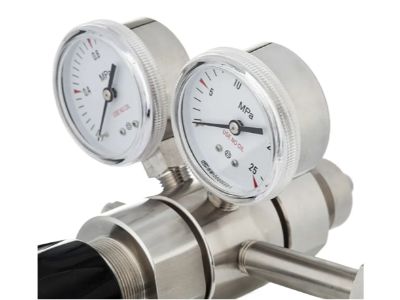
Stainless steel regulators are important components in many machines and systems. They help control pressure and flow, ensuring everything runs smoothly. At Dici, we understand how essential these regulators are across different industries. When systems remain stable, they perform better, which benefits businesses. Stainless steel regulators are strong, durable, and resistant to rust and corrosion, making them ideal for demanding applications. They help keep machines operating reliably with fewer interruptions. When businesses use Dici’s stainless steel regulators, they experience fewer issues and less downtime, allowing them to focus on their operations without worrying about equipment performance
How Stainless Steel Regulators Enhance System Stability for Wholesale Buyers
Wholesale buyers need reliable products to keep their businesses running efficiently. Choosing stainless steel regulators is a smart investment. These regulators are designed to handle high pressures and flow rates, making them suitable for many industries. For example, in the food and beverage industry, maintaining the correct pressure is essential for ensuring product quality. If a regulator fails, it can result in poor-quality products and dissatisfied customers. Dici’s stainless steel regulators are built to deliver long-lasting performance under demanding conditions, helping maintain stable and dependable systems. These regulators are also easy to install and require minimal maintenance, saving businesses both time and money. When a regulator is simple to replace or service, it reduces downtime and keeps operations running efficiently. For example, if a regulator needs to be replaced quickly, Dici’s stainless steel models can be installed with minimal disruption. Stable systems lead to improved performance, which is exactly what wholesale buyers need. They want products they can rely on every day, and Dici’s Stainless Steel Regulator consistently deliver that reliability. Another major advantage is the corrosion resistance of stainless steel. In environments with moisture or chemicals, ordinary materials may rust and fail, leading to leaks and costly repairs. Dici’s stainless steel regulators are designed to withstand these conditions, helping businesses avoid unnecessary failures. A stable system ensures products are delivered on time and customers remain satisfied, supporting business growth and long-term success
What Makes Stainless Steel Regulators Essential for Reliable System Performance
Reliable system performance is critical in many industries, and stainless steel gas pressure regulator play a vital role in achieving it. They are manufactured from durable materials that can withstand harsh operating conditions, making them ideal for long-term use. For example, in chemical processing, proper pressure regulation is essential for safe handling. If pressure is not controlled correctly, dangerous situations can occur. Dici’s stainless steel regulators provide the precision needed to maintain safe and stable operations. One of their greatest strengths is accuracy. A precise regulator maintains the correct pressure and flow at all times, which is especially important in manufacturing environments where even small fluctuations can create major production problems. Unstable pressure can result in wasted materials, production delays, and increased costs. That is why businesses rely on Dici’s stainless steel regulators to keep operations running efficiently and consistently. Stainless steel regulators are also highly versatile. They can be used in a wide range of applications, including HVAC systems, water treatment facilities, food processing, and industrial manufacturing. This flexibility allows businesses to depend on Dici for reliable solutions across various industries. Additionally, many stainless steel regulators are designed with user-friendly features that make monitoring and adjustments simple. Operators can quickly respond to changing conditions without significant delays, reducing downtime and improving overall productivity. Dici’s stainless steel regulators are more than just components—they are essential for maintaining reliable, efficient, and safe system performance
How to Choose the Right Stainless Steel Regulator
Choosing the right stainless steel regulator is essential for ensuring reliable system performance. At Dici, we help customers select the best regulator for their specific applications. First, consider the purpose of the regulator. Different applications require different pressure ranges and performance capabilities. For example, gas systems may require regulators designed to handle higher pressures than those used for liquids. Next, select the correct size. Regulators are available in different sizes, and choosing one that matches your system is important. A regulator that is too large or too small can reduce efficiency and create operational issues. You should also consider the operating environment. Some stainless steel air pressure regulator are designed to perform better in extreme temperatures or harsh conditions, so always choose one that matches your working environment. Ease of installation is another important factor. Some regulators are easier to install than others, making them a good choice for users with limited technical experience. Finally, always choose products made from high-quality materials. At Dici, our stainless steel regulators are manufactured to high standards, providing long-lasting durability and dependable performance. By considering these factors, you can select the regulator that best fits your needs
Common Stainless Steel Regulator Problems and Solutions
Although stainless steel regulators are highly reliable, they may occasionally develop problems. One common issue is leakage. If you notice gas or fluid leaking from the regulator, inspect all fittings and connections to ensure they are properly tightened. If the leak continues, a damaged component or the regulator itself may need to be replaced. Pressure fluctuations are another common concern. If the pressure becomes unstable, first verify that the regulator is correctly sized for the application. An undersized regulator may struggle to maintain the required pressure, making a larger model necessary. Clogging can also occur when dirt or debris enters the regulator through contaminated gas or fluid. Installing filters before the regulator helps prevent this issue. If clogging has already occurred, cleaning or replacing the regulator may be required. Temperature is another factor to monitor. Excessive heat or cold can affect regulator performance, so always ensure the regulator is being used within its specified operating temperature range. Understanding these common issues and their solutions helps keep stainless steel regulators operating efficiently and reliably
How Stainless Steel Regulators Improve Industrial Efficiency
Stainless steel regulators improve efficiency in many industrial applications. At Dici, we understand how important efficient operations are for businesses. By maintaining stable pressure, these regulators allow machines to operate smoothly with fewer interruptions, reducing downtime and increasing productivity. Their durability is another key advantage. Stainless steel regulators can withstand harsh environments, including extreme temperatures and corrosive conditions, reducing the need for frequent replacements. This helps businesses lower long-term maintenance and replacement costs. Efficient pressure regulation also reduces waste. When gas or liquid flows at the correct pressure, materials are used more effectively, minimizing waste and lowering operating costs. This benefits both the environment and the business. Finally, stainless steel regulators require very little maintenance. Their reliable construction allows businesses to spend less time on repairs and more time focusing on production. By using Dici’s stainless steel regulators, companies can improve reliability, reduce costs, increase efficiency, and support more sustainable operations.
Table of Contents
- How Stainless Steel Regulators Enhance System Stability for Wholesale Buyers
- What Makes Stainless Steel Regulators Essential for Reliable System Performance
- How to Choose the Right Stainless Steel Regulator
- Common Stainless Steel Regulator Problems and Solutions
- How Stainless Steel Regulators Improve Industrial Efficiency