 EN
EN

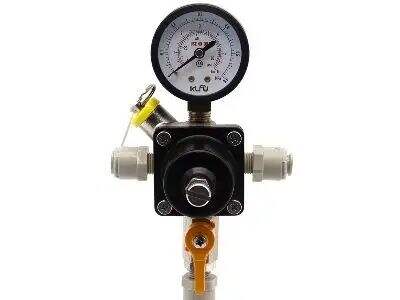
When deciding between stainless steel and brass regulators, it’s important to think about what you need for your specific application. Dici understands that both materials has they own benefits. Stainless steel known for its strength and resistance to rust, which make it a good choice for tough environments. On the other hand, brass often chosen for its excellent ability to resist corrosion in various fluids, and it have good thermal properties. Choosing the right regulator can make a big difference in how well your system works. So lets dive into how to decide between these two options and what makes them different\
How to Choose Stainless Steel vs Brass Regulators for Your Business
Selecting the righ regulator for your business not always easy. First, you need to think about the environment where the regulator will be used. If your project involves high temperatures or harsh weather, stainless steel might be the better choice. It won’t rust or corrode easily, which means it will last longer even in tough conditions. However, if your application in a place where the regulator contact with water or certain chemicals, brass could be the smarter pick because brass very good at resisting corrosion in water, making it suitable for plumbing or fluid tasks. Next, consider how much pressure your system will need to handle. Stainless steel can often support higher pressures compared to brass. If your system needs to work under high pressure, stainless steel might be the way to go. And it’s also important to look at the cost. Generally, brass regulators are less expensive than stainless steel. But remember, you should balance cost with the long-term benefits. Sometimes paying a little more for stainless steel can save you money in repairs or replacements later on. Lastly, think about the specific requirements of your system and how each material fits into that
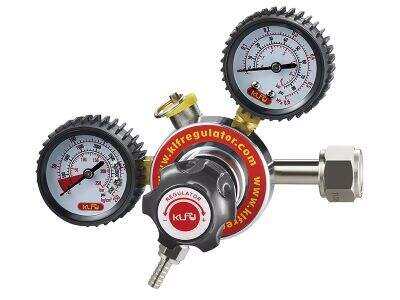
What Are the Key Differences Between Stainless Steel and Brass Regulators
There are many differences between stainless steel and brass regulators. One major difference is the way they resist corrosion. Stainless steel is very strong and does not rust easily, while brass more prone to tarnishing but has great resistance to corrosion in certain liquids. This can make brass more suitable for specific applications, especially in plumbing systems. Another difference is the strength of the materials. Stainless steel can handle higher pressure, making it a better choice for systems that need to operate under intense conditions. Brass is softer, which can be a drawback if your application requires something that can take a lot of wear and tear. In addition, the thermal properties differ. Brass conducts heat better than stainless steel, which can be useful in heat transfer applications. However, this property can also mean that brass can weaken at higher temperatures. In terms of cost, brass is generally cheaper but might not last as long as stainless steel, which could mean more replacements over time. When deciding between stainless steel and brass regulators, think about your specific needs and how each material will perform in your application. Dici is ready to help you find the right regulator for your project, ensuring you make a smart choice for your business
How Stainless Steel Regulators Outperform Brass in High-Pressure Apps
When it comes to high-pressure situations, stainless steel regulators are often much better than brass ones. High pressure means that there is a strong force pushing against the gas or liquid inside the regulator. In these cases, stainless steel can handle more pressure without breaking or leaking. This is because stainless steel is a very strong material. It does not bend or break easily, making it safe to use when you need to control gas or liquid at high pressures. Brass, on the other hand, is softer and can be damaged more easily if the pressure gets too high. If a brass regulator fails, it could cause dangerous leaks or even explosions, which is not safe for anyone
Stainless steel also resistant to rust and corrosion. This means that if it gets wet or is used with liquids that might cause damage, it will stay strong and last longer. Brass can rust and corrode over time, especially in high-pressure situations. This can lead to problems and the need for replacements, which can be costly. For businesses that rely on high-pressure systems, using stainless steel regulators from Dici can save money in the long run. They won't need to be replaced as often, and they will keep working safely under pressure. Overall, if you are working with high-pressure applications, stainless steel regulators are the better choice because they are stronger, safer, and more durable than brass
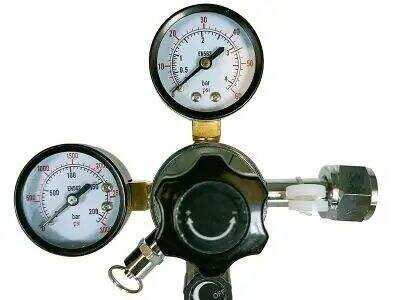
What Makes Stainless Steel Regulators Preferred in Industrial Apps
In many factories and industrial places, stainless steel regulators are the go-to choice. This is because they can handle tough conditions that are often found in these environments. For example, industrial settings usually have extreme temperatures and a lot of dust or chemicals. Stainless steel is good at holding up against these harsh conditions. It doesn’t get damaged easily when exposed to heat or chemicals, while brass might wear down faster. This makes stainless steel regulators more reliable and safer to use in industries like manufacturing or oil and gas
Another important reason why stainless steel regulators are preferred in industrial applications is that they are easy to clean. In industries like food processing, keeping everything clean is very important to make sure products are safe to eat. Stainless steel can be washed without damaging it, while brass might not be as easy to clean. Dici’s stainless steel regulators are designed to be safe and easy to maintain, ensuring that businesses can focus on their work without worrying about equipment failure. Also, stainless steel has a long lifespan, meaning that companies won't have to spend money replacing regulators often. This saves time and resources, allowing businesses to run more smoothly and efficiently. That’s why they usually pick stainless steel
How to Evaluate Quality of Stainless Steel and Brass Regulators for Your Needs
When looking for regulators, it’s important to know how to tell if they are good quality. First, look at the material. For stainless steel, check if it is made from high-quality steel. The best type is often called 316 stainless steel. This type is very strong and does not rust easily. For brass regulators, make sure they are made from high-grade brass. You want to avoid cheap materials that might break easily. Another way to check quality is to look for certifications or ratings. Good companies like Dici often provide this information, showing that their products meet safety standards
Next, consider the design of the regulator. A well-designed regulator will have features that prevent leaks and ensure smooth operation. Check for seals and fittings; they should fit tightly to avoid any leaks. If you see any signs of damage or wear, it’s a red flag. It’s also a good idea to read reviews or ask others about their experiences with the regulators you are considering. Feedback from other users can give you valuable insights into how well a regulator performs in real-life situations. Finally, think about the warranty or guarantee that comes with the regulator. A longer warranty usually means the company stands behind their product quality. Dici provides warranties on their regulators, showing that they believe in the strength and durability of their stainless steel products. By following these tips, you can choose the right regulator that will meet your needs and last for a long time
Table of Contents
- How to Choose Stainless Steel vs Brass Regulators for Your Business
- What Are the Key Differences Between Stainless Steel and Brass Regulators
- How Stainless Steel Regulators Outperform Brass in High-Pressure Apps
- What Makes Stainless Steel Regulators Preferred in Industrial Apps
- How to Evaluate Quality of Stainless Steel and Brass Regulators for Your Needs