 EN
EN

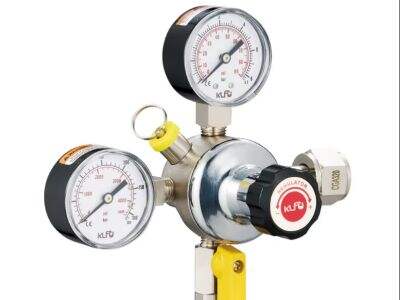
When it comes to making beer at home or running a big brewery, a Primary Beer Regulator is an important tool. It helps control the gas pressure that pushes beer from a keg to a glass. For home brewers, this tool is often simpler and cheaper, while commercial users might need something more advanced. It’s important to know the differences and what you need for your brewing experience. Dici offers high-quality beer gas regulators that can suit both home and commercial needs, helping you get the best beer experience.
Where to Find High-Quality Beer Gas Regulators for Wholesale Purchase?
Finding quality beer gas regulator can be tricky, but it's important for making great beer. Dici provides a range of regulators that are perfect for both home and commercial brewing. You can visit our website to see the different types we offer. We have products that meet various needs, whether you are brewing a few gallons at home or running a large brewery. It’s also a good idea to look for local brewing supply stores. These stores often have knowledgeable staff who can help you find the right regulator. Another option is to check online marketplaces. Just be sure to read reviews and check ratings before buying. Some websites might offer bulk purchasing options for those looking to buy several units, which can save money in the long run. Don't forget to compare prices and features. Some regulators might have extra features like pressure gauges or multiple gas outputs. It’s also wise to ask about warranties and customer service support. If something goes wrong, you want to know you can get help. Dici stands behind our products, ensuring you have what you need for a smooth brewing process.
What Are the Common Usage Issues with Beer Gas Regulators in Homebrewing?
Home brewers can face some common issues when using beer regulator. One problem is incorrect pressure settings. If the pressure is too high, the beer can foam and spill everywhere, making a big mess. If it’s too low, the beer might not flow at all. Always check the pressure gauge and adjust it according to the style of beer you’re serving. Another problem is leaks. Sometimes, connections can loosen over time, which can lead to wasted gas. It’s important to regularly check all connections and fittings for tightness. If you notice a hissing sound, that could mean gas is leaking. You can use soapy water to check for leaks; bubbles will form where there is a leak. Cleaning the regulator is also key. Dust and grime can build up and affect how well it works. Each time you change a keg, take a moment to wipe everything down. Additionally, using the wrong type of gas can cause problems. Most home brewers use CO2, but if you are serving a beer that requires a nitro mix, make sure you have the right setup. Dici's regulators are designed with these common issues in mind, making your brewing experience smoother and more enjoyable. Always remember to read the instructions for your specific regulator to get the best results.
When using a beer gas regulator, whether at home or in a commercial setting, problems can arise?
It's important to know how to troubleshoot these common issues. One common problem is a gas leak. If you smell gas or hear a hissing sound, you should act quickly. First, turn off the gas supply to prevent any danger. Next, check all the connections between the regulator and the gas tank, as well as the lines leading to your beer tap. Look for any cracks or loose fittings. Tightening connections can often solve the problem. If you find any damaged parts, it's best to replace them. Another issue could be inconsistent pressure. If the beer pours too fast or too slow, this could mean that the regulator isn’t set right. Use the adjustment knob on the regulator to change the pressure. Make small changes and test the pour after each adjustment until you find the right balance. Sometimes, dirt or debris can block the regulator, causing pressure problems. To fix this, you can clean the regulator with a soft brush or cloth. Regular maintenance is key. Make sure to check your equipment often, and clean it to keep everything running smoothly. If you're using a Dici beer gas regulator, you can refer to the manual for specific troubleshooting steps. Remember that safety comes first. If you can’t find the problem or if it feels too complicated, it’s best to call a professional who can help you.
When looking for a reliable beer gas regulator for commercial use, there are several important features to consider
First, the build quality is crucial. A good regulator should be made from strong materials that can handle the pressure and demands of a busy bar or restaurant. Look for regulators that are made from stainless steel or other durable materials. Next, consider the pressure range. A reliable commercial regulator should have a wide range of pressure options to suit different types of beer and serving needs. This flexibility is important for making sure every beer tastes just right. You should also check if the regulator has easy-to-read gauges. This helps you quickly see how much pressure is in the system and make adjustments when needed. Another feature to look for is safety features, like a pressure relief valve. This can protect your system from dangerously high pressure levels. Additionally, think about how easy it is to adjust the pressure. Commercial settings can be busy, so having a regulator that's simple to operate makes a big difference. Lastly, consider the reputation of the brand. Dici is known for making high-quality beer gas regulators that are both reliable and efficient. Investing in a good regulator can save you time and money in the long run, as it helps prevent issues with beer quality and serving.
To maximize efficiency with the right beer gas regulator setup, there are a few tips to keep in mind. First, ensure that your regulator is properly installed. Follow the instructions carefully to connect it to your gas tank and beer lines. A good seal is important to prevent leaks and ensure that the right amount of gas is used. After installation, set the pressure according to the type of beer you are serving. Different beers have different carbonation levels, so it’s important to adjust your regulator to match these needs. For example, lighter beers may need lower pressure while stouts may require higher pressure. Using the right pressure helps keep the beer carbonated without causing it to overflow or go flat. You can refer to Dici’s guidelines for specific pressure settings for various beer types. Additionally, regularly check and maintain your equipment. Cleaning the lines and the regulator helps keep everything running smoothly. If you notice any changes in how the beer pours, it might be time to adjust your regulator settings. Lastly, train your staff on how to use the regulator properly. If everyone knows how to adjust the pressure and spot problems, it will help keep the beer flowing efficiently. With the right setup and maintenance, you can serve great-tasting beer to your customers every time.
Table of Contents
- Where to Find High-Quality Beer Gas Regulators for Wholesale Purchase?
- What Are the Common Usage Issues with Beer Gas Regulators in Homebrewing?
- When using a beer gas regulator, whether at home or in a commercial setting, problems can arise?
- When looking for a reliable beer gas regulator for commercial use, there are several important features to consider